Mastering Paint Palettes: A Guide to Creating Perfect Color Harmony in Your Home May 07, 2026
Understanding Color Basics
Before you splash any paint on the walls, it's crucial to understand the basics of color theory. The color wheel is your best friend here, presenting a visual representation of the relationships between colors. Primary colors (red, blue, yellow) form the foundation, with secondary and tertiary colors filling out the wheel. Familiarizing yourself with complementary colors (those sitting across from each other on the wheel) can lead to eye-catching, balanced pairings that pop.
Consider Your Space
Each room in your home serves a distinct function and may benefit from different color settings. For instance, warm hues like reds, oranges, and yellows work well in social spaces like living rooms and kitchens, as they tend to energize and stimulate conversation. In contrast, cool colors like blues, greens, and purples are best suited for bedrooms and bathrooms, encouraging relaxation and tranquility. Consider the size of the room as well; lighter colors can make a small space appear larger and more inviting.
Find Your Focal Point
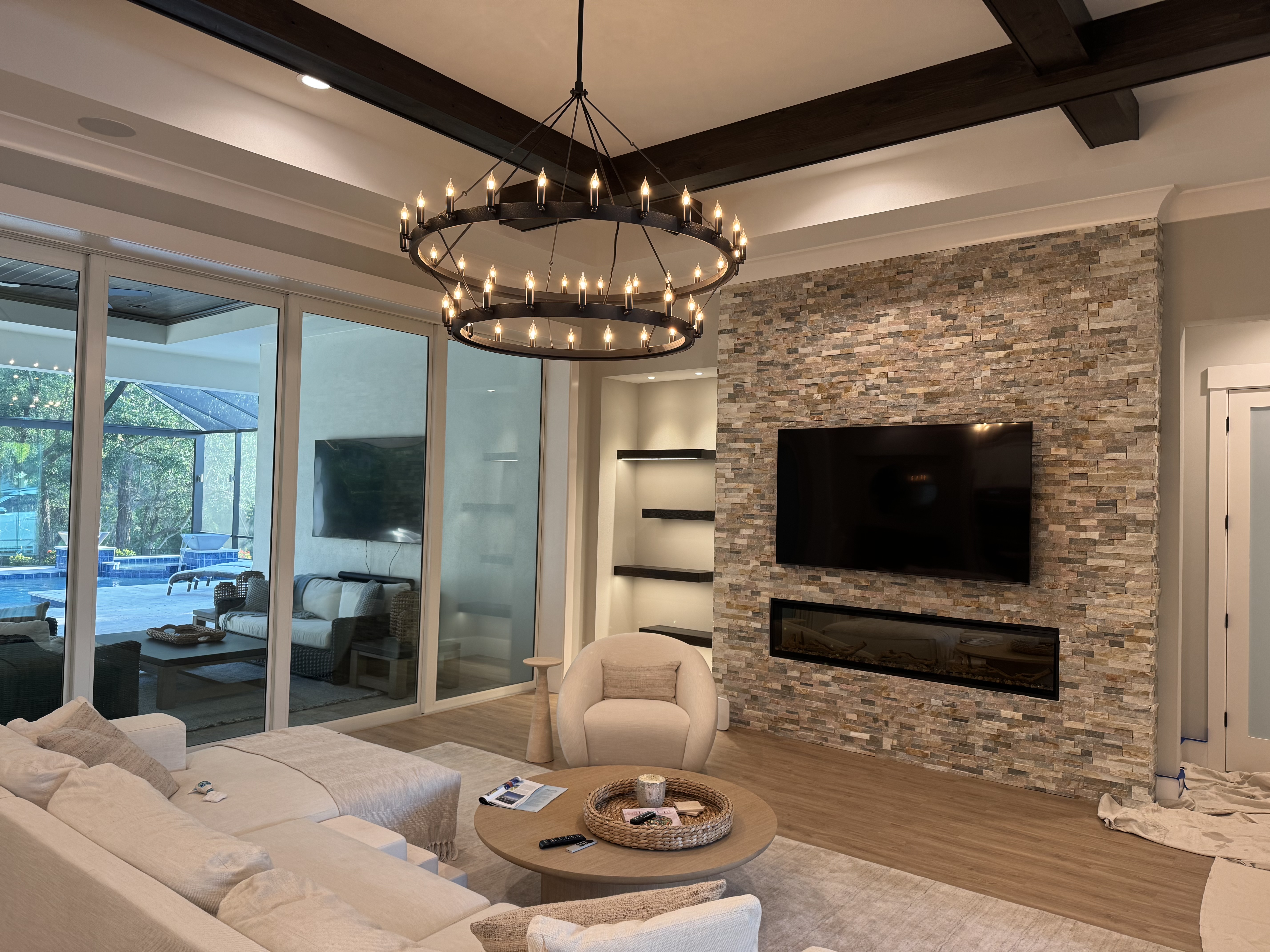
Every well-designed room should have a focal point, and color can be a great tool to enhance it. Whether it’s a feature wall painted in a bold hue or a piece of furniture, using color intentionally can draw the eye and create a pleasing flow. Incorporating varying shades of a color throughout the room can help maintain harmony while adding depth and interest.
Balance and Proportion Are Key
A balanced color palette will ensure that no single element overwhelms the rest. One popular method of achieving this is the 60-30-10 rule. It suggests dedicating 60% of your room to a dominant color, 30% to a secondary color, and 10% to an accent color. This approach helps maintain visual equilibrium, offering a structured yet flexible framework for your creativity.
Incorporate Natural Light
Natural light significantly affects how colors appear in your home. Observe how the light transitions throughout the day, as this can influence your color choices. South-facing rooms typically receive warm, rich light, enhancing warm colors, while north-facing rooms attract cooler light, which may complement cooler color schemes. Testing paint samples on different walls helps gauge how the light affects your chosen shades.
Embrace Test Samples
Before committing to a full room makeover, experiment with test samples. Paint small sections on various walls to see how the colors look throughout the day, and how they work with your furniture and decor. This can save both time and resource, ensuring satisfaction with your final choice.
Conclusion
Creating perfect color harmony in your home with a masterful paint palette doesn’t require an art degree—just a bit of knowledge and experimentation. By understanding color theory, considering the space's function and light, and employing techniques like the 60-30-10 rule, you can transform your living areas into vibrant reflections of your personal style. At Pardon My Painting, we are committed to helping you harness the power of paint to make your house a home that inspires and delights every day.
/filters:no_upscale()/filters:format(webp)/media/8b2d6d6e-bac3-4e88-a8f8-2e96f6f68142.jpeg)